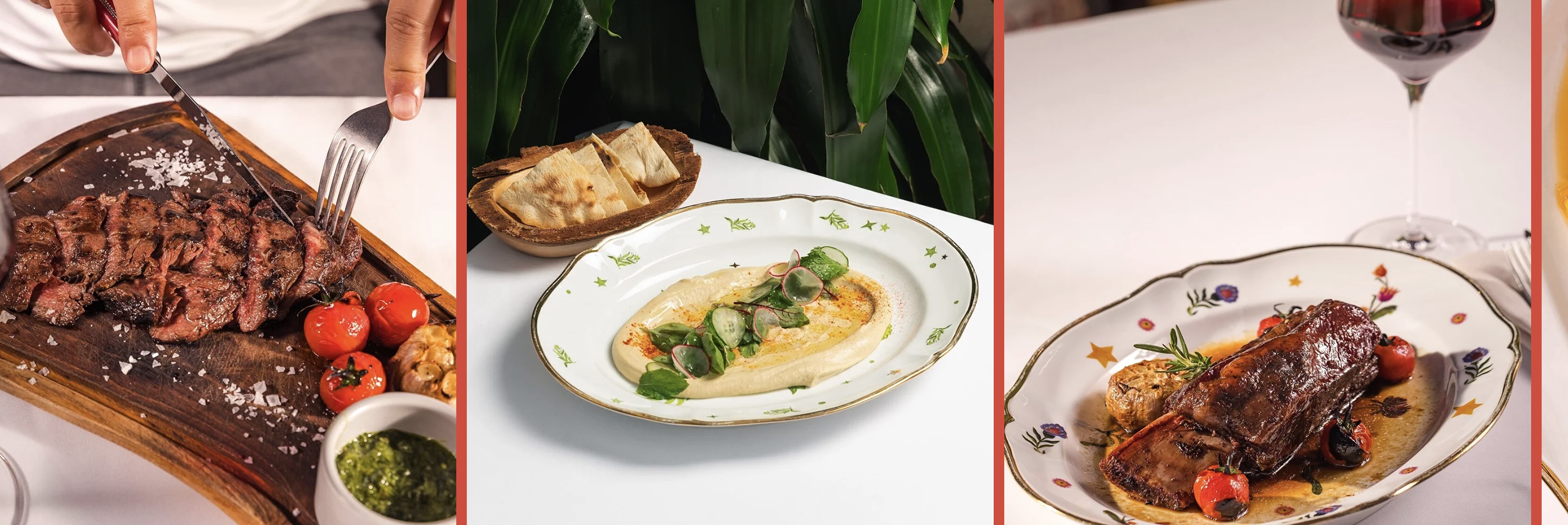
Restaurant website development / Booking UX

A restaurant website should book tables, not just exist.

We design and build restaurant websites that turn discovery into reservations: fast mobile UX, searchable menus, reservation flows and tracking built in from launch.

Booking-ready website
Premium restaurant interior visual reference for a hospitality website
Reservation CTA Visible from first screen

01 / Problem

Where restaurant websites leak bookings

Most restaurant websites look acceptable but lose guests in the moments that matter: slow mobile load, unclear booking CTA, PDF menus, weak trust signals and no tracking.

01

Guests cannot book fast

The reservation action is hidden, delayed or unclear.

02

Menus are hard to use

PDF menus are slow, hard to read and weak for search.

03

Marketing cannot be measured

Traffic arrives, but booking intent is not properly tracked.

02 / Booking-ready system

From interest to booked table

A restaurant website should move guests quickly from curiosity to action. Every section must either build appetite, reduce doubt or make booking easier.

01 Discovery
02 Menu
03 Trust
04 Reservation
05 Tracking
Restaurant food presentation visual reference for searchable menu experience
Searchable menu experience

Menus should be easy to scan, read on mobile and structure for search, not hidden in a PDF.

03 / Visual examples

What guests need before they book

Dark hospitality texture used as website appetite visual reference
Appetite

Strong imagery creates desire and helps users understand the concept fast.

Cropped premium restaurant website visual reference without third-party text
Clarity

Menu content should be readable, structured and mobile-friendly.

Restaurant interior atmosphere used as website trust visual reference
Trust

Atmosphere visuals reduce uncertainty before booking.

Restaurant guest reservation context used as booking flow visual reference
Action

Booking should be obvious and reachable without friction.

04 / Scope

What we build and hand over

01

Website strategy and structure

02

UX/UI design for desktop and mobile

03

Restaurant homepage

04

Searchable menu pages

05

Reservation / booking flow

06

Contact, location and opening hours sections

07

SEO foundation and schema markup

08

Analytics and conversion events

09

CMS setup

10

Training and handover

05 / Process

A clear 8-10 week website build

Week 1

Audit, goals, structure and booking journey.

Weeks 2-4

Wireframes, UI design and content direction.

Weeks 5-8

Development, CMS, SEO foundation and integrations.

Weeks 9-10

QA, launch, tracking check and handover.

06 / Next step

Every booking your website does not convert is one your marketing has to pay for twice.

We will review your current website, booking flow, mobile UX, menu structure and tracking setup, then show where reservations are leaking.

Chat on WhatsApp
01 Should we use Webflow, WordPress or a custom stack?

It depends on your team, content workflow and integrations. We choose the stack around speed, editing comfort, SEO structure and the booking flow - not around fashion.

02 Can you migrate our current site without losing SEO?

Yes. We map old URLs, preserve important content, set redirects, rebuild metadata and check technical SEO before launch.

03 Do we own the website after launch?

Yes. You own the website assets, content structure and CMS setup. We also hand over the core editing workflow.

04 Can the site work with our reservation engine?

Usually yes. We can connect or route to systems such as SevenRooms, Quandoo, Formitable, WhatsApp, LINE, custom forms or a lightweight booking request flow.

05 Will the website load fast on mobile?

Mobile speed is part of the build. We optimize images, layout, scripts and critical content so guests can move quickly from intent to action.

06 Can you connect ordering, gift cards or loyalty?

Yes. We can connect ordering, gift cards, loyalty forms and CRM events when they support the business model and do not add friction to booking.